
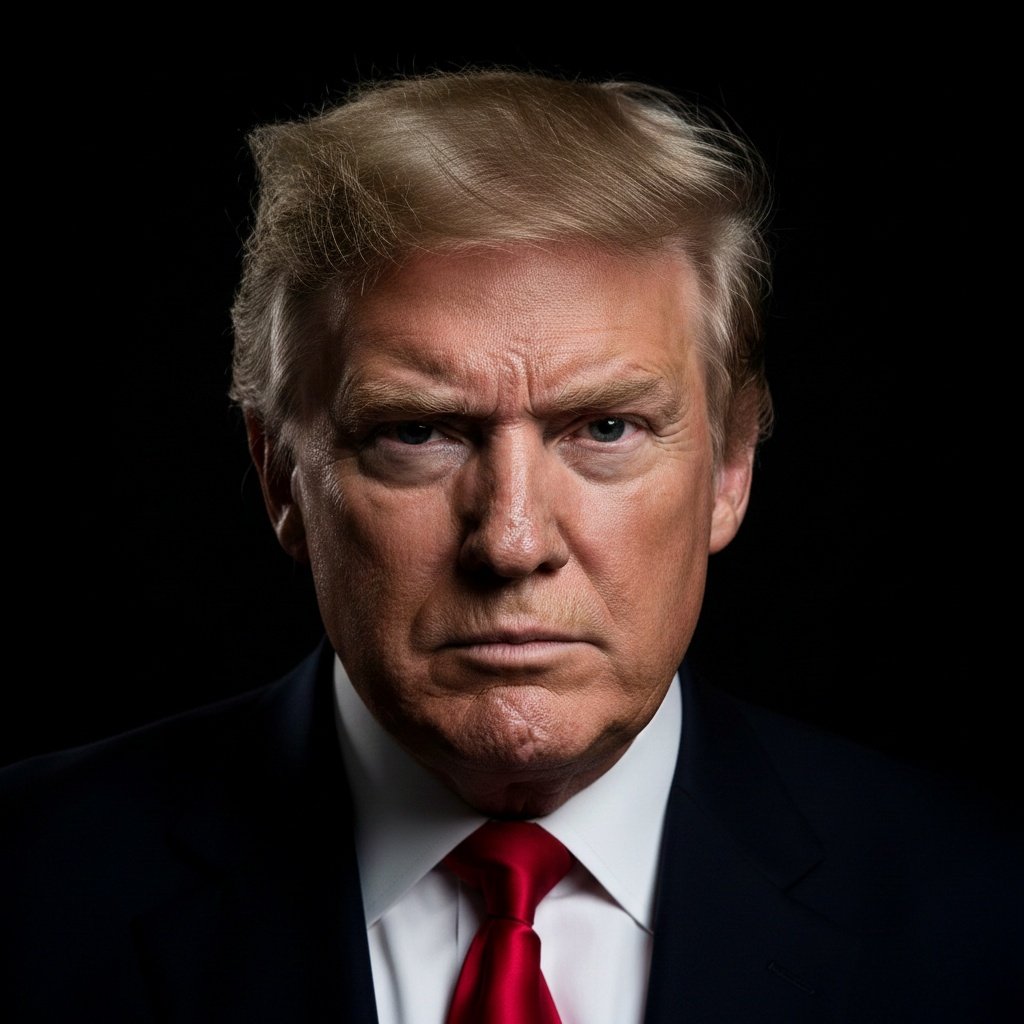

President Donald Trump received the inaugural FIFA Peace Prize on December 5, 2025, presented by FIFA President Gianni Infantino for claimed actions promoting peace and unity; however, U.S. forces conducted Operation Absolute Resolve on January 3, 2026, reportedly capturing Venezuelan President Nicolás Maduro and his wife Cilia Flores, while Trump made public statements signaling strategic interests in Greenland, warning Iran of strong responses if protesters are harmed, and commenting on Cuba’s potential instability—developments framed by the administration as security measures but drawing international criticism and debates over consistency with peace claims.
President Donald Trump has positioned himself as a promoter of peace, accepting the newly created FIFA Peace Prize on December 5, 2025, for “exceptional and extraordinary actions to promote peace and unity,” as described by FIFA President Gianni Infantino; yet on January 3, 2026, U.S. forces executed Operation Absolute Resolve, involving airstrikes and the reported capture of Venezuelan President Nicolás Maduro and Cilia Flores, with Maduro pleading not guilty to U.S. federal charges in New York on January 5, 2026, while Trump has publicly reiterated strategic interest in Greenland, warned in public statements that the United States would respond forcefully if Iranian protesters were harmed, and described Cuba as “ready to fall”—statements and actions presented by the administration as essential for deterrence but contested as escalatory.
References Used
Primary Sources:
- President Trump’s announcements on Truth Social and public statements regarding Operation Absolute Resolve and comments on Greenland, Iran, Cuba, and other nations.
- U.S. Department of Defense announcements (using secondary, non-statutory title “Department of War” per Executive Order 14347, September 5, 2025) on the Venezuela operation.
- FIFA statements and ceremony details for the Peace Prize presentation on December 5, 2025.
Secondary Reporting & Analysis:
- The Guardian, The New York Times, Reuters, CNN, BBC, Al Jazeera, AP, Axios, and Wikipedia (cross-referenced with primary reporting) on the FIFA Peace Prize, Venezuela operation, Maduro’s capture, and public statements.
- Armed Conflict Location & Event Data Project (ACLED) data indicating U.S. involvement in strikes across multiple countries in 2025.
Method Notes:
- As of January 11, 2026, information relies on major media reporting, official U.S. announcements, and conflict data trackers; independent on-ground verification of Venezuela operation details (e.g., full casualties) is limited due to restricted access, with figures contested between U.S. reports and Venezuelan claims.
- The FIFA Peace Prize is a newly created, symbolic award by FIFA, subject to criticism over its selection process, neutrality, and political alignment.
- Public statements on nations like Greenland, Iran, and Cuba are rhetorical in reporting, not formal military directives; strike data from ACLED is aggregated, with variations across sources.
Context and Factual Grounding
President Trump’s foreign policy emphasizes “peace through strength,” with assertions that U.S. power deters conflict. On December 5, 2025, he received the inaugural FIFA Peace Prize at the 2026 World Cup draw in Washington, D.C., where FIFA President Gianni Infantino cited Trump’s actions to promote peace and unity. The award, newly established, has faced criticism over FIFA’s political neutrality and selection process.
On January 3, 2026, U.S. forces launched Operation Absolute Resolve, involving airstrikes reported by U.S. officials as aimed at suppressing air defenses in northern Venezuela, followed by the reported capture of Nicolás Maduro and Cilia Flores at his compound in Caracas. U.S. officials reported the pair was transported to the U.S., with Maduro pleading not guilty to narco-terrorism charges in New York on January 5, 2026. The administration justified the action as anti-drug and security-related; Venezuelan authorities denounced it as aggression, with interim leadership under Vice President Delcy Rodríguez sworn in and reporting casualties (estimates varying widely, including Venezuelan claims of over 100 deaths and other sources indicating lower figures).
This followed U.S. strikes in 2025 across multiple countries, with ACLED data indicating involvement in seven nations (e.g., counterterrorism in Nigeria on December 25, 2025). Trump’s January 2026 public statements reiterated strategic interest in Greenland (rejected by Denmark), warned Iran amid protests, and commented on Cuba’s potential instability, amid broader regional commentary.
Claims, Signals, and Interpretations
Trump’s peace narrative centers on strength preventing wars, bolstered by the FIFA prize tied to claimed diplomatic efforts. Supporters view military actions as targeted enforcement; critics highlight the Venezuela operation’s timing post-award as inconsistent.
The administration frames Venezuela as law enforcement against narco-terrorism. Public statements on Greenland emphasize national security against rivals; Iran warnings link to protester protection; Cuba comments suggest internal dynamics. These are presented in reporting as rhetorical signals rather than formal policy actions, with audiences including domestic voters and allies, and timing after Venezuela amplifying perceptions of escalation. Rhetorical statements, while cost-free, can contribute to perceptions of escalation even if they do not equate to operational military actions. Not all international audiences interpret such rhetorical signaling in the same way.
Power Structures and Constraints
U.S. military capacity enables asymmetric operations against targets like Venezuela. Congressional oversight under the War Powers Resolution is debated, with limited public detail on authorization for Venezuela.
Alliances constrain actions, such as NATO/Denmark on Greenland (prompting sovereignty rebukes) and international law debates over the operation’s legality. Regional organizations in Latin America provide limited checks. The secondary “Department of War” title (Executive Order 14347) is symbolic and communicative branding, not a structural or statutory change.
Short-term Venezuela effects include Maduro’s detention, regional volatility, and diplomatic condemnations; long-term risks involve instability or prolonged tensions. Greenland rhetoric strains alliances; Iran statements heighten tensions; Cuba comments could influence opposition or migration dynamics.
Investigation
Verification gaps include precise Venezuela casualties (contested estimates) and independent operational details. The juxtaposition of FIFA prize symbolism and military action raises unresolved accountability questions, with executive actions amid debated oversight. Power asymmetries enable U.S. operations, straining international norms.
What Is Known, What Is Uncertain
Confirmed Facts:
- Trump received the inaugural FIFA Peace Prize on December 5, 2025.
- U.S. forces conducted Operation Absolute Resolve on January 3, 2026, with reported strikes in Venezuela and reported capture of Nicolás Maduro and Cilia Flores; they face charges in New York.
- Trump made public statements in early January 2026 on Greenland, Iran, Cuba, and others.
Contested Claims:
- Administration framing of Venezuela as anti-drug enforcement, disputed by Venezuelan authorities as aggression.
- Alignment of military actions with peace goals, challenged by timing, scale, and international criticism.
- Legality of the Venezuela operation under international law.
Unknowns or Missing Data:
- Full, independent casualty and damage assessments from Venezuela.
- Complete internal U.S. decision-making and congressional notification details.
- Whether public statements will lead to further military actions.
Continued scrutiny is necessary to assess the alignment between proclaimed peace objectives and military engagements in U.S. foreign policy.


Pingback: Evidentiary Limits in Public Sources Restrict Attribution of Specific Sanctions Evasion Facilitators in South Asia and Middle East for Russian and Iranian Oil - Journoist